
🌟 What Is Vitamin B12 and Why Does Your Body Need It?
When it comes to essential nutrients, Vitamin B12 (also known as cobalamin) often doesn’t get the spotlight it deserves — but it should! This powerful vitamin plays a crucial role in keeping your body’s nerves, blood cells, and brain functioning properly. Yet, many people don’t realize how important it truly is until they start feeling the effects of a deficiency.
Let’s explore what Vitamin B12 is, how it works in the body, what happens when you don’t get enough, and how you can make sure you’re meeting your daily needs.
🧬 What Exactly Is Vitamin B12?
Vitamin B12 is a water-soluble vitamin that belongs to the B-complex family — a group of vitamins responsible for converting food into energy. What makes B12 unique is that it contains cobalt, a trace mineral, and is found naturally only in animal-based foods like meat, fish, eggs, and dairy.
It plays several key roles, such as:
- Forming red blood cells, which carry oxygen throughout your body.
- Supporting brain and nerve function, keeping your nervous system healthy.
- Aiding DNA synthesis, the blueprint for every cell in your body.
- Helping in energy metabolism, turning the food you eat into usable fuel.
🍳 How the Body Absorbs and Uses Vitamin B12?
Absorbing Vitamin B12 is a surprisingly complex process. Here’s how it works step-by-step:
- Ingestion: When you eat foods containing B12 — say, a boiled egg or a piece of fish — the vitamin is bound to proteins in that food.
- Stomach Stage: In your stomach, hydrochloric acid and an enzyme called pepsin break down those proteins, releasing the B12.
- Binding to Intrinsic Factor: The freed B12 then attaches to a special protein produced by your stomach lining called intrinsic factor. Without this pairing, your body can’t absorb B12 properly.
- Absorption in the Small Intestine: The B12–intrinsic factor complex travels to the ileum (the last part of your small intestine), where it’s absorbed into the bloodstream.
- Storage and Use: Once absorbed, Vitamin B12 is stored mainly in the liver, where it can last for several years! It’s then used by your body as needed for red blood cell production, nerve repair, and energy metabolism.
⚠️ What Happens When You Don’t Get Enough Vitamin B12?
A deficiency in Vitamin B12 can take time to develop because of the body’s ability to store it. However, when levels drop too low, it can lead to several health problems, including:
- Anemia: Low B12 means fewer healthy red blood cells, leading to fatigue, weakness, and pale skin.
- Nerve damage: Tingling or numbness in the hands and feet, difficulty walking, or balance problems can occur over time.
- Cognitive issues: Low B12 has been linked to memory loss, confusion, and mood changes — sometimes mimicking symptoms of dementia.
- Digestive symptoms: Loss of appetite, constipation, or weight loss may appear.
- Mouth problems: Some experience a swollen or sore tongue and mouth ulcers.
Certain groups are more at risk of deficiency, such as:
- Vegans and vegetarians, since B12 is mostly found in animal products.
- Older adults, who may produce less stomach acid and intrinsic factor.
- People with digestive disorders like celiac or Crohn’s disease.
- Individuals taking certain medications, including metformin (for diabetes) or proton pump inhibitors (for acid reflux).
🥦 How to Get Enough Vitamin B12?
The good news is, there are several ways to maintain healthy B12 levels:
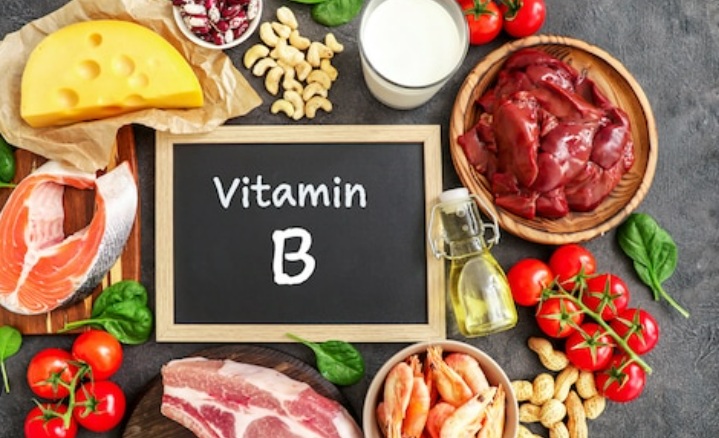
- Eat B12-rich foods: Meat, fish, eggs, milk, yogurt, and cheese are all excellent sources.
- Choose fortified options: Many plant-based milks, breakfast cereals, and nutritional yeasts are fortified with B12.
- Consider supplements: B12 supplements (pills, sprays, or injections) are helpful for vegans or those with absorption issues.
The recommended daily amount for adults is around 2.4 micrograms, though your needs may vary depending on age, health, and diet.
💡 Extra Notes and Uses:
- Energy Boost: While B12 won’t directly give you a “caffeine-like” buzz, maintaining optimal levels helps your body use energy more efficiently — so you feel less tired.
- Mood and Mental Health: Studies suggest B12 supports neurotransmitter balance, which may help reduce anxiety and depression.
- Pregnancy Health: Adequate B12 is essential for fetal brain and nerve development.
- Heart Health: B12 helps reduce homocysteine, an amino acid linked to heart disease risk.
🌈 Final Thoughts
Vitamin B12 may be small, but its impact is mighty. From keeping your brain sharp to ensuring every cell in your body has enough oxygen, it’s one nutrient you don’t want to overlook.
If you’re feeling low on energy or follow a plant-based lifestyle, it might be worth getting your B12 levels checked — your body (and mind) will thank you for it!