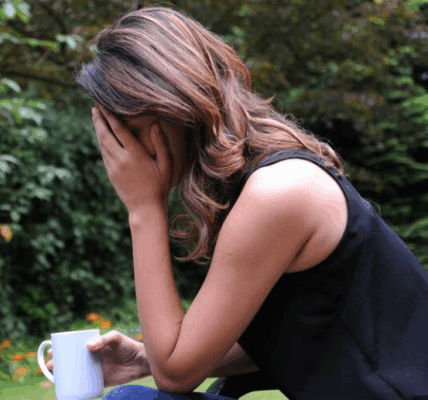

🧠 What is a Migraine Headache
A migraine is a powerful type of headache that usually causes a throbbing pain on one side of the head, often accompanied by nausea, vomiting, and sensitivity to light or sound. It’s not just a regular headache, it’s a neurological condition that can seriously affect daily life.
Migraine attacks can last from 4 hours to 3 days and may happen occasionally or frequently.
🎯 Who Gets Migraines? (Age Group & Risk)
- Most common in ages 15 to 55
- Migraines often begin during teenage years or early adulthood
- Women are 3 times more likely to have migraines than men, often due to hormonal changes
- Children can get migraines too , sometimes mistaken for stomach issues (called abdominal migraines)
⚠️ Causes & Triggers of Migraines
While the exact cause isn’t fully understood, migraines are believed to involve changes in brain activity, nerves, and blood flow. Common triggers include:
- 🧀 Certain foods (aged cheese, chocolate, MSG)
- 🍷 Alcohol (especially red wine)
- ☕️ Too much or too little caffeine
- 😴 Poor sleep or irregular sleep
- 🔊 Loud noises or bright lights
- 😓 Stress, anxiety, or emotional changes
- 🌀 Hormonal shifts (e.g. menstruation)
- 📱 Long hours of screen time
- 💨 Strong smells or environmental factors
🤕 Main Symptoms of Migraine
- Pulsating or throbbing headache (often one-sided)
- Nausea and sometimes vomiting
- Sensitivity to light (photophobia) and sound (phonophobia)
- Blurred vision or visual disturbances (like flashing lights – migraine aura)
- Fatigue or dizziness
- Numbness or tingling in the face or limbs (in some types)
🌈 Interesting & Unique Facts About Migraines
- 🧬 Migraines are genetic: If one parent has migraines, you have about a 50% chance of getting them. If both parents do, it jumps to 75%.
- 🧠 Brain freeze and migraines are linked: That “ice cream headache” activates the same brain pathways involved in migraines.
- 🛏️ Migraines can happen in your sleep: Known as hypnic headaches, they wake you up — often called “alarm clock headaches.”
- 🌍 1 in 7 people worldwide has migraines — that’s over 1 billion people.
- 🎨 Some famous people had migraines: Artists like Vincent van Gogh and writers like Virginia Woolf reportedly suffered from them — possibly influencing their work.
- ⚡️ A migraine aura isn’t just visual: It can also cause strange smells, confusion, or speech difficulty, lasting 10–60 minutes before the headache.
✅ How to Prevent Migraines (Simple Tips)
- 🕒 Keep a consistent sleep and meal schedule
- 🧘♀️ Practice relaxation (yoga, breathing, meditation)
- 🚶 Exercise regularly — low to moderate levels help
- 💧 Stay hydrated — dehydration is a common trigger
- 📓 Keep a migraine diary — track food, mood, sleep, etc.
- ☕️ Limit caffeine — sudden withdrawal can trigger attacks
- 🍽 Avoid trigger foods — learn your personal triggers
💊 Treatment & When to See a Doctor
🩺 See a doctor if:
- Headaches are frequent or getting worse
- Over-the-counter painkillers don’t work
- You have vision loss, weakness, or confusion
- It’s affecting your daily life or work
Doctors may recommend:
- Pain relief (NSAIDs, triptans)
- Preventive medications (if attacks are frequent)
- Lifestyle changes tailored to your triggers
- In some cases, Botox or nerve stimulation treatments
✨ Bonus Tips for Migraine Relief
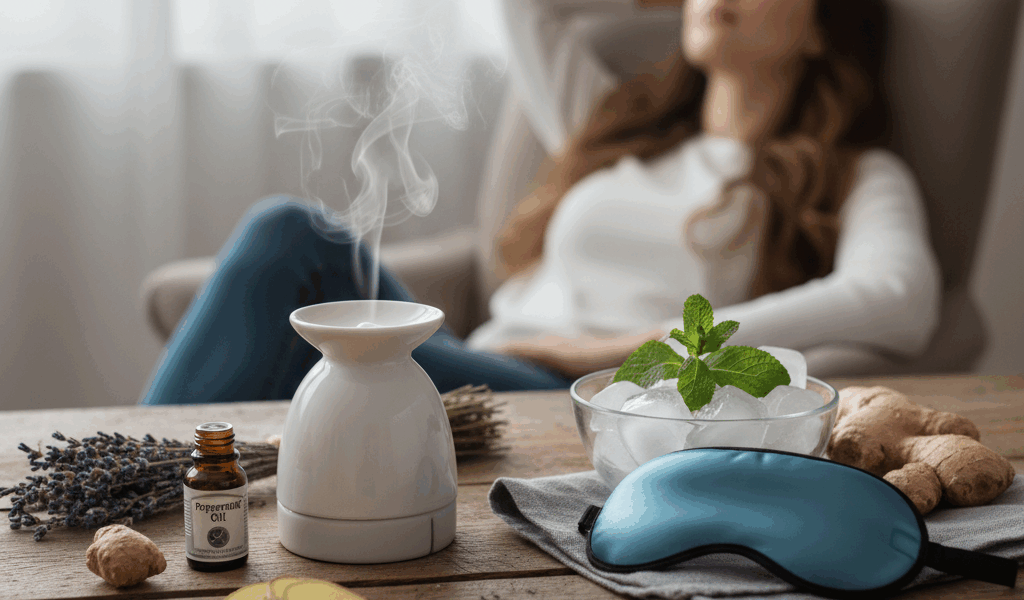
- ❄️ Apply a cold pack to your forehead or neck
- 🛏️ Rest in a dark, quiet room
- 🌿 Use essential oils like peppermint or lavender (some find relief)
- 🍌 Eat magnesium-rich foods (bananas, nuts, spinach) — low magnesium is linked to migraines
🔚 Final Words
Migraines can be painful and disruptive, but they are manageable. The key is to identify your triggers, adopt healthy habits, and seek medical help when needed. With the right approach, many people find significant relief and regain control of their lives.