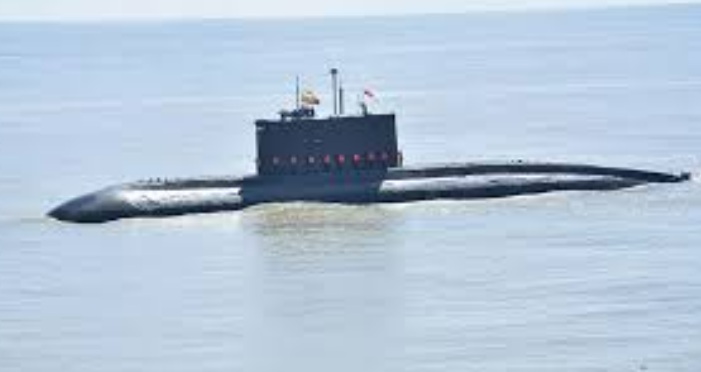

The interior of a submarine is a marvel of engineering, designed to balance human habitability, operational efficiency and the demands of prolonged underwater missions. At its core lies the pressure hull, a robust cylindrical structure built to withstand immense water pressure at depth. Surrounding the pressure hull is often an outer or light hull that gives the submarine its streamlined shape for minimal water resistance while housing ballast tanks used to control buoyancy. Inside, the vessel is divided into multiple watertight compartments, a crucial safety feature that ensures flooding or damage in one section does not compromise the integrity of the entire submarine. These compartments typically include forward and aft torpedo or missile rooms, a command or control room, crew living quarters, engine or reactor sections, sonar and communications areas, and specialized operational spaces tailored to the submarine’s mission.
The control room, often considered the nerve center of the submarine, is where navigation, mission execution, and propulsion are coordinated. Modern submarines feature advanced periscopes or photonics masts that allow visual observation of the surface without surfacing, while integrated sonar systems, both passive and active, provide the submarine with awareness of other vessels, obstacles, and potential threats in the surrounding waters. Navigation in a submerged environment relies on a combination of inertial navigation systems, electronic charts, and occasionally GPS when surfaced. The control room also hosts the submarine’s communication networks, allowing secure data exchange with other vessels or headquarters. Control panels manage ballast, trim, rudder, and hydroplanes, ensuring precise movement and depth control, which is essential for stealth operations.
Life aboard a submarine requires efficient utilization of very limited space. Crew members sleep in stacked bunks known as racks, often sharing personal space with others due to spatial constraints. Hygiene and sanitation facilities are compact, with vacuum or low-water toilets and small showers, while laundry is limited and managed carefully to conserve water. The galley and mess areas are modest, but they are equipped to provide nutritious meals for extended missions, with food storage including freeze-dried, canned, and preserved items. Recreational space is minimal but crucial for mental well-being, often consisting of small exercise equipment, reading material, and occasional communal spaces for relaxation during off-duty hours. Every aspect of living quarters is designed for maximum functionality in a confined environment, with strict scheduling to ensure all crew members have time for rest, meals, and operational duties.
Propulsion and power systems are central to submarine operation. Diesel-electric submarines rely on diesel engines to charge batteries while surfaced or snorkeling, switching to battery-powered electric motors when submerged. Nuclear-powered submarines, on the other hand, use nuclear reactors to generate heat, converting water into steam to drive turbines connected to both propellers and electrical generators. This allows them to operate underwater for months without surfacing, a significant advantage for strategic missions. Alongside propulsion, submarines are equipped with complex hydraulic systems, cooling mechanisms, and electrical networks to manage engines, electronic systems, navigation, and weaponry. Safety is paramount, and redundancy is built into critical systems to prevent total failure in emergencies.
A submarine’s ballast system is essential for controlling depth and stability. Ballast tanks, located between the pressure and outer hulls, are flooded with water to allow the submarine to dive and are filled with compressed air to resurface. Trim tanks adjust the submarine’s balance to maintain level orientation, while hydroplanes and rudders steer and control pitch during movement. These systems work in tandem with sonar and navigation equipment to ensure smooth and precise underwater maneuvering. Safety mechanisms include emergency escape hatches, flooding sensors, pressure-resistant bulkheads, and advanced fire suppression systems, all of which are critical for crew survival in extreme conditions.
Life support systems are among the most sophisticated features inside a submarine. The air is carefully managed, with oxygen generated through electrolysis of water or supplied via compressed tanks, while carbon dioxide is continuously scrubbed to prevent accumulation. Temperature and humidity are regulated to ensure a comfortable environment, and freshwater is produced from seawater through distillation systems. Submarines are also equipped with advanced sensors, including bow sonar, flank arrays, and towed arrays, enabling detection of other vessels and underwater obstacles from significant distances. Electronic warfare and signal detection systems add a strategic advantage by monitoring threats in real time.
The weapon systems onboard vary depending on the submarine type. Attack submarines carry torpedoes in forward tubes, and many also have vertical launch systems for cruise missiles. Ballistic missile submarines include multiple missile silos for strategic nuclear deterrence. Fire control systems integrate sensor data with guidance systems, allowing precise targeting even while the submarine is moving or submerged. Modern submarines increasingly rely on automation to assist with monitoring systems, reduce crew workload, and enhance stealth capabilities, such as noise-reducing hull coatings and quiet propulsion systems.
The interior layout, while compact and operationally dense, is designed to maintain crew efficiency, safety, and endurance. Every compartment is multifunctional and meticulously organized to ensure the submarine can perform its mission without external support for weeks or months at a time. Crew members rotate in shifts, known as watches, managing operations, maintenance, navigation, and weapons systems continuously. Life aboard a submarine demands high discipline, technical expertise, and psychological resilience, given the confined quarters, limited recreation, and prolonged separation from the surface world.
Overall, the interior of a submarine reflects a delicate balance between technology, habitability, and military capability. It integrates complex machinery, weaponry, life support, and human factors engineering into a compact, efficient environment capable of sustained underwater operations. Modern advancements, including nuclear propulsion, air-independent systems, advanced sonar arrays, and automated controls, have further enhanced the operational effectiveness of submarines, making them one of the most sophisticated and self-sufficient vessels in naval engineering. Operating within such a confined, high-pressure environment requires teamwork, adaptability, and skill, highlighting the extraordinary human and technological effort needed to make submarines function as effective underwater platforms.