
Diabetes is a journey requiring awareness and discipline. It’s a condition defined by high blood sugar (glucose), stemming from either insufficient insulin (the body’s “key” to unlock energy in cells) or poor cell response. Successfully managing it means maintaining stable glucose levels to prevent long-term damage to the heart, eyes, and kidneys.
Fueling Stability: The Diabetes-Smart Diet:
The key to managing glucose through diet is prioritizing foods that release sugar slowly and using portion control. The Plate Method is the easiest guide: make half your plate non-starchy vegetables, one-quarter lean protein, and one-quarter healthy carbohydrates.
Foods to Embrace (Your Glucose Allies)
- Complex Carbs & Fiber: Focus on whole grains (like quinoa, oats, brown rice), legumes (beans and lentils), and high-fiber starches (like sweet potatoes in moderation). Fiber slows digestion, keeping your energy—and glucose—steady.
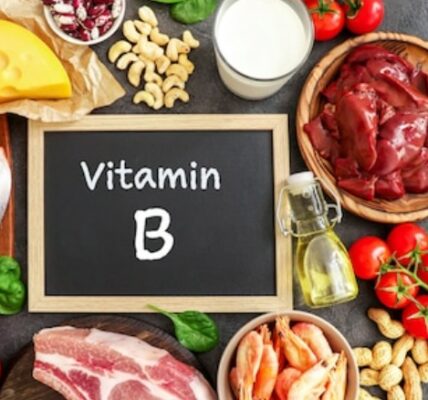
- Lean Protein: Choose fish (especially fatty fish like salmon for Omega-3 benefits), skinless poultry, eggs, and tofu. Protein helps you feel full without spiking blood sugar.
- Healthy Fats: Incorporate heart-healthy sources like avocados, olive oil, nuts, and seeds. These fats protect your cardiovascular system.
- Hydration: Water is paramount. Stick to unsweetened beverages like herbal tea or black coffee.
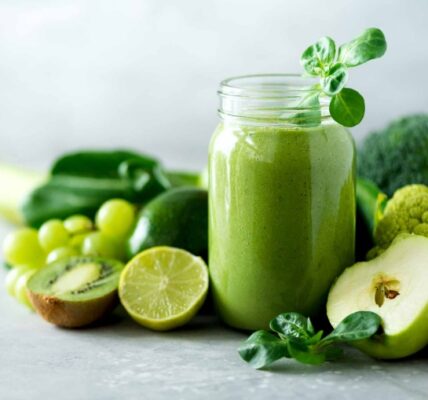
- Whole Fruits: Enjoy fruits like berries and citrus in their whole form to benefit from their natural fiber.
Foods to Sidestep (The Blood Sugar Triggers)
Refined Carbs: Strictly limit white bread, white rice, sugary cereals, and standard pasta. These quickly convert to glucose.
- Sugary Drinks: Soda, fruit juices (even “natural” ones), and sweetened coffee drinks are liquid sugar bombs that cause dangerous, rapid spikes.
- Unhealthy Fats & Meats: Minimize fatty processed meats (bacon, cold cuts), deep-fried items, butter, and lard.
- High-Sugar Items: Control intake of candy, cakes, cookies, and other concentrated sweets.
Glucose Goals & Essential Daily Habits
Successful management hinges on consistency, movement, and self-monitoring.
Understanding Your Glucose Targets
Your ideal blood sugar range is personalized by your doctor, considering your age and other health factors. Always follow your care team’s specific targets.
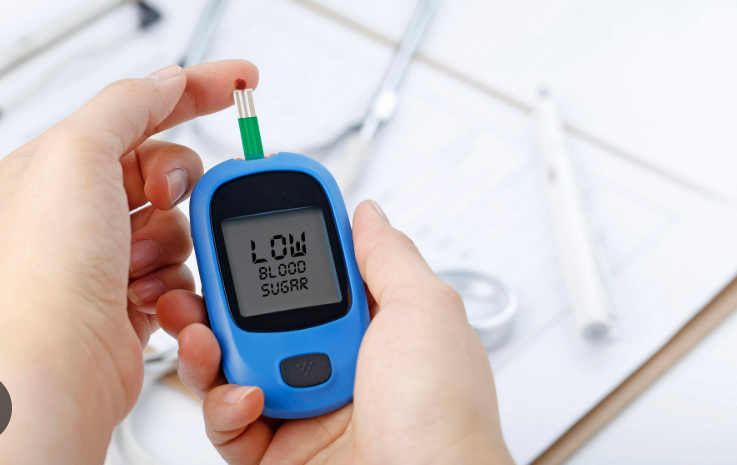
- Fasting/Before Meals: Generally aim for a range like 80–130 mg/dL.
- Peak Post-Meal: Try to stay under 180 mg/dL one to two hours after starting a meal.
- A1C: The long-term average goal is typically under 7.0%.
Proven Management Habits
- Walk After You Eat: The simplest, most effective exercise tip is taking a 10–20 minute brisk walk about 15 minutes after a meal. Muscle activity helps pull glucose directly from your blood.
- Strategic Meal Timing: Try to eat your protein and vegetables first before consuming your starch/carbohydrates. This simple change can significantly blunt your post-meal glucose peak.
- Exercise is Medicine: Commit to at least 150 minutes of moderate aerobic activity (like jogging or cycling) per week, supplemented by strength training a couple of times a week.
- Manage Stress and Sleep: Chronic stress triggers cortisol release, which elevates blood sugar. Prioritize 7–9 hours of consistent, quality sleep and practice daily relaxation techniques.
- Seek Expert Guidance: Work closely with a Registered Dietitian (RD) and a Certified Diabetes Care and Education Specialist (CDCES) to tailor your plan.
Traditional and Supplementary Tips (Discuss with Your Doctor!)
- Cinnamon and Fenugreek: Using spices like cinnamon generously in food, or incorporating fenugreek seeds (soaked overnight) may help some individuals improve glucose sensitivity due to their fiber and bioactive compounds.
- Apple Cider Vinegar: Some people find that consuming 1-2 tablespoons mixed with water before a meal helps moderate blood sugar levels. Never use this as a replacement for medication.
Living well with diabetes is about making informed choices every day. By treating your diet and habits as a core part of your treatment, you empower yourself to achieve excellent health control.