
1. What is Menopause?
Menopause is a natural biological process that marks the end of menstruation and fertility in women. It is diagnosed after a woman has gone 12 consecutive months without a menstrual period. It is not a disease but a normal phase of life. It typically occurs between the ages of 45 and 55 due to a decline in reproductive hormones, particularly estrogen and progesterone.
2. Why is Menopause Important to Understand?
Understanding menopause helps women and those around them:
- Prepare physically, mentally, and emotionally for the transition
- Manage symptoms effectively and with less stress
- Prevent long-term complications such as osteoporosis and heart disease
- Break the stigma around menopause and encourage open conversations
- Make informed healthcare decisions regarding lifestyle and treatment options
3. Who Will Experience Menopause?
- All women who reach middle age will eventually experience menopause.
- The average age of menopause is 51 (typically between ages 45–55).
Early Menopause May Affect:
- Women with a family history of early menopause
- Women who undergo ovary removal surgery (hysterectomy)
- Those receiving chemotherapy or radiation
- Individuals with autoimmune or chronic conditions
Why Does It Happen?
Menopause happens because the ovaries gradually stop producing the hormones estrogen and progesterone, which regulate menstruation and fertility.
4. Symptoms of Menopause
Perimenopause
This is the transition phase before menopause where hormonal fluctuations begin. It can last for several years.
Common Physical Symptoms:
- Irregular or missed periods
- Hot flashes and night sweats
- Vaginal dryness and discomfort during sex
- Fatigue and joint pain
- Headaches
- Weight gain, particularly around the abdomen
- Thinning hair and dry skin
- Increased urinary tract infections
Common Mental and Emotional Symptoms:
- Mood swings and irritability
- Anxiety or depressive feelings
- Trouble concentrating or remembering things (“brain fog”)
- Sleep disturbances or insomnia
5. How to Take Care During Menopause
A. Medical Support
- Hormone Replacement Therapy (HRT) – can reduce symptoms like hot flashes and bone loss
- Non-hormonal medications – may help with mood swings and hot flashes
- Vaginal estrogen treatments – for dryness and discomfort
- Calcium and vitamin D supplements – for bone health
Always consult a healthcare provider before starting any treatment.
B. Lifestyle and Home Care
Diet
- Eat a balanced diet including fruits, vegetables, whole grains, and lean proteins
- Include calcium-rich foods like dairy, tofu, and leafy greens
- Incorporate phytoestrogens such as soy and flaxseed
- Stay hydrated and reduce caffeine and alcohol intake
Exercise
- Aim for 30 minutes of activity most days:
- Cardiovascular (walking, swimming, cycling)
- Strength training (to protect bone mass)
- Flexibility and stress-reducing exercises like yoga or stretching
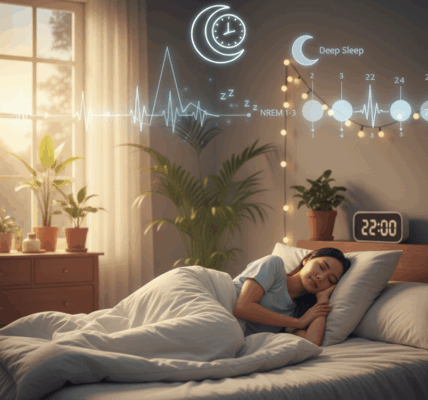
Sleep
- Stick to a consistent sleep schedule
- Avoid caffeine, heavy meals, and screens before bed
- Use cooling sheets or a fan if night sweats occur
6. Additional Tips for Managing Menopause
Mind and Emotions
- Practice meditation, deep breathing, or mindfulness
- Engage in creative or social activities that bring joy
- Speak openly with loved ones or join support groups
- Seek professional help for anxiety or depression if needed
Comfort Measures
- Dress in light layers and breathable fabrics
- Use a fan or cold packs during hot flashes
- Apply vaginal moisturizers for dryness
- Keep a personal journal to track symptoms and triggers
Natural Remedies (Use with Caution)
- Black cohosh
- Red clover
- Evening primrose oil
- Herbal teas and adaptogens
Always consult a healthcare provider before using herbal supplements.
7. Post-Menopause Care
Once menopause is complete (postmenopause), it is essential to maintain long-term health.
Focus Areas:
- Bone health: Risk of osteoporosis increases. Get regular bone density tests and ensure adequate calcium and vitamin D intake.
- Heart health: With the drop in estrogen, the risk of heart disease rises. Maintain healthy blood pressure, cholesterol, and weight.
- Routine check-ups: Continue mammograms, pelvic exams, cholesterol screenings, and general health evaluations.
8. When to See a Doctor
Contact your doctor if you experience:
- Heavy or prolonged bleeding
- Bleeding after menopause
- Severe mood changes or emotional distress
- Pain during intercourse
- Sudden or unexplained physical changes
✅ Summary: Quick Checklist
Symptoms:
Pay attention to changes in your body, such as irregular periods, hot flashes, mood swings, and sleep disturbances. Keeping a journal or using a menopause tracking app can help monitor these symptoms.
Nutrition:
Maintain a balanced diet rich in calcium, vitamin D, fruits, vegetables, and whole grains. Include phytoestrogens (like soy and flaxseed) to help with hormonal balance.
Exercise:
Engage in regular physical activity such as walking, yoga, swimming, or strength training. Aim for at least 30 minutes of movement most days of the week to support heart, bone, and mental health.
Sleep:
Create a calming bedtime routine. Avoid caffeine late in the day, reduce screen time before bed, and ensure your bedroom is cool, dark, and quiet to improve sleep quality.
Mental Health:
Be mindful of emotional changes. Practice relaxation techniques like meditation or breathing exercises. Don’t hesitate to seek support from friends, support groups, or a mental health professional if needed.
Medical Help:
Consult a doctor if your symptoms interfere with daily life. Ask about treatments like hormone replacement therapy (HRT) or non-hormonal alternatives.
Long-Term Care:
After menopause, prioritize bone and heart health. Schedule regular checkups, including bone density tests and cardiovascular screenings. Continue making healthy lifestyle choices to maintain overall well-being.