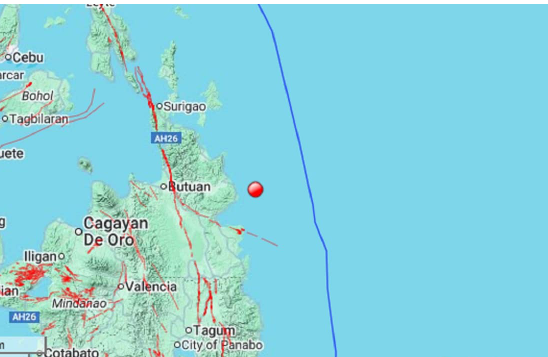

On October 17, 2025, a magnitude 6.1 earthquake struck the southern Philippines, jolting residents across the Mindanao region and triggering emergency response measures. The tremor occurred around 7:03 AM local time near Dapa, Surigao del Norte province, on Siargao Island, an area prone to seismic activity along the Pacific Ring of Fire. According to the United States Geological Survey (USGS), the earthquake originated at a depth of 69 kilometers, producing strong shaking across nearby towns and villages. Residents reported sudden jolts and swaying buildings, prompting many to evacuate temporarily while authorities assessed the situation. Early reports indicate that no casualties or major structural damage have been reported so far, though local officials continue to monitor for aftershocks. The quake follows a series of significant seismic events in the region, including a 7.5 magnitude earthquake near Mindanao just over a week ago, which resulted in several fatalities and structural damages. Local authorities and the Philippine Institute of Volcanology and Seismology (PHIVOLCS) urged residents to remain vigilant and adhere to safety measures, such as avoiding unstable buildings and coastal areas in case of potential tsunamis. Emergency shelters and evacuation routes were prepared, and schools and offices in affected areas were temporarily closed as a precaution. Residents have been advised to check gas and electrical lines, secure loose objects, and maintain emergency kits containing food, water, and medical supplies. The government has emphasized the importance of public awareness, early warning systems, and disaster preparedness to minimize risk from recurring seismic activity. Engineers and urban planners are inspecting critical infrastructure, including bridges, hospitals, and schools, to ensure structural safety. Social media platforms and local media are actively providing updates to keep citizens informed and connected. International aid organizations are monitoring the situation, ready to provide assistance if needed. While the 6.1 magnitude tremor caused temporary fear and disruptions, it highlights the resilience of the local population and the effectiveness of ongoing disaster preparedness initiatives. Experts note that Mindanao’s multiple fault lines make continuous monitoring essential to mitigate future risks. Authorities continue to collaborate with local communities to conduct drills and awareness campaigns on earthquake response. Emergency medical teams are on standby, and hospitals have reviewed their disaster response protocols. The recurrence of earthquakes in the region underscores the critical need for long-term resilience planning, retrofitting older buildings, and strengthening infrastructure. Residents are encouraged to remain calm, follow official advisories, and assist vulnerable community members during seismic events. Despite repeated tremors, the Philippines continues to demonstrate robust disaster management strategies. The October 17 earthquake serves as a reminder of the country’s vulnerability to natural hazards and the ongoing efforts required to protect lives, property, and livelihoods. Local and national authorities remain vigilant, ensuring that all resources, personnel, and communication channels are ready for any subsequent emergencies. Continuous monitoring, public awareness, and effective coordination remain vital to reducing the impact of future earthquakes. The Philippines’ proactive approach to disaster preparedness, combined with community engagement, highlights its commitment to safeguarding citizens in seismic zones.