
Location: Chicago, Illinois
For over 22 years, the 2003 disappearance and murder of a local woman remained one of Chicago’s most confounding cold cases. At the time, investigators collected physical evidence from the crime scene, including hair, skin cells, and other biological samples, but forensic science in 2003 lacked the sensitivity to extract a usable DNA profile. With no witnesses coming forward and no matches in the criminal database, the case went unsolved, leaving the victim’s family in anguish.
Step 1: Case Reopening
In 2023, the Chicago Police Department launched a cold case review program. Investigators meticulously reviewed all files, evidence, and witness statements. They identified that the DNA evidence collected from the crime scene could now potentially yield results using advanced forensic techniques.
Step 2: DNA Extraction and Analysis
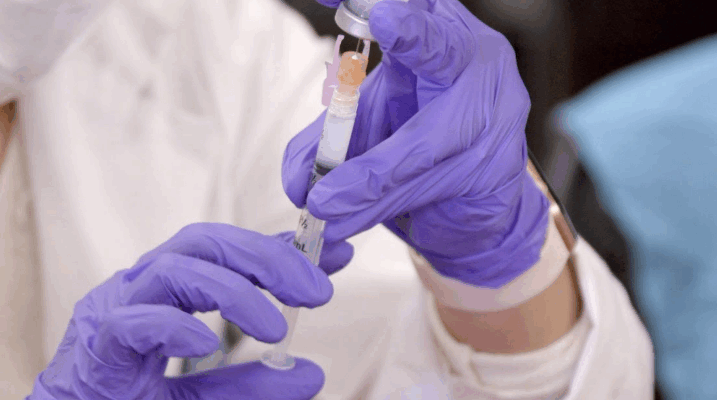
The biological samples were reanalyzed in a modern forensic lab. Using Next Generation Sequencing (NGS) and genetic genealogy methods, scientists were able to develop a detailed DNA profile of the unknown suspect. This technology allowed for a far more complete genetic profile than what was possible two decades ago.
Step 3: Genetic Genealogy Investigation
Detectives uploaded the DNA profile to public genealogy databases, which help identify distant relatives of individuals based on shared genetic markers. Through painstaking family tree research, investigators narrowed down a pool of potential suspects. They cross-checked family histories, timelines, and geographic information to identify a suspect who was in the area at the time of the crime.
Step 4: Surveillance and Evidence Collection
Once a likely suspect was identified, police conducted discreet surveillance and obtained a DNA sample through legal means, comparing it to the crime scene evidence. The DNA matched perfectly, confirming the suspect’s involvement.
Step 5: Arrest and Confession
The suspect was arrested without incident. Confronted with the overwhelming DNA evidence, the individual confessed to the crime. Authorities reported that the suspect’s confession provided additional details, helping to fully reconstruct the events of that day.
Step 6: Closure for the Family
Police emphasized that this case demonstrates the power of combining old evidence with modern forensic techniques. It provides hope that other cold cases may be solved as technology continues to advance. The victim’s family expressed relief and gratitude for the persistence of the investigative team.