
Introduction
The use of robotics in military and security operations is rapidly increasing, transforming the way armed forces and law enforcement agencies operate. Robots, drones, and autonomous systems are no longer just futuristic concepts, they are actively used in surveillance, reconnaissance, combat support and disaster response. Experts believe that robotics will continue to play a pivotal role in shaping the future of defense and public safety.
Current Applications of Robotics in Security
- Surveillance and Reconnaissance
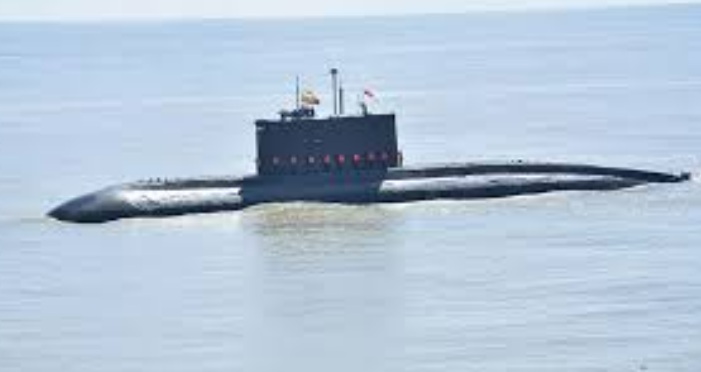
Modern military forces use aerial drones, ground robots, and underwater autonomous vehicles to monitor enemy movements, inspect hazardous areas, and collect real-time intelligence. These systems reduce human risk while providing detailed situational awareness. - Combat Support
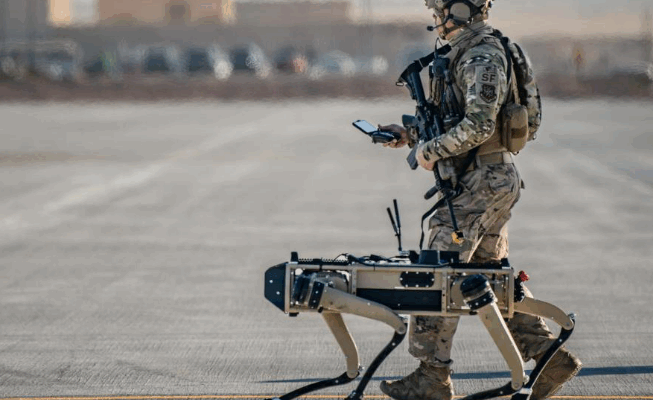
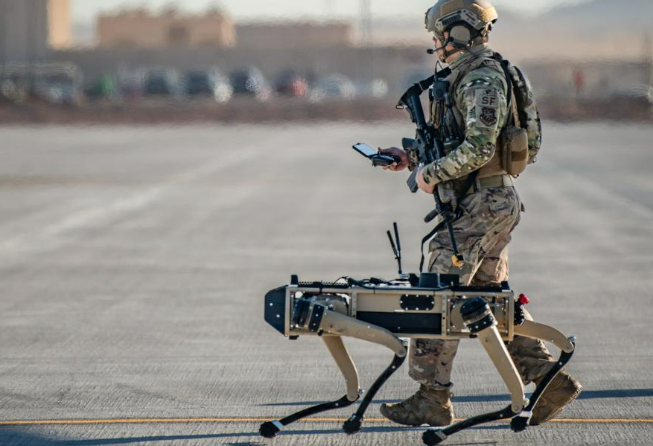
Armed robots and drones are increasingly deployed for targeted strikes, bomb disposal, and perimeter security. Autonomous or semi-autonomous machines can access areas too dangerous for human soldiers, improving operational efficiency and reducing casualties. - Disaster Response and Humanitarian Operations
Robotics technology is also used in disaster zones, such as searching for survivors in collapsed buildings, detecting hazardous chemicals, and delivering supplies in conflict zones. These systems enhance both military and civilian security operations.
Emerging Technologies and Innovations
- Artificial Intelligence (AI) Integration: Modern robots are powered by AI, enabling autonomous navigation, threat detection, and decision-making in complex environments.
- Swarm Robotics: Groups of small drones can work together to perform coordinated tasks, such as surveillance of large areas or securing perimeters.
- Exoskeletons and Augmented Soldiers: Robotic exoskeletons enhance soldier strength and endurance, allowing them to carry heavier loads and traverse difficult terrain.
- Cybersecurity and Networked Robotics: Securing robotic systems against hacking is a growing focus, as autonomous machines increasingly rely on networked communications.
Challenges and Ethical Considerations
While robotics offer significant advantages, they also bring challenges:
- Autonomy vs. Human Control: Deciding when robots can make independent lethal decisions remains a controversial ethical issue.
- Cyber Vulnerabilities: Networked robots could be hacked, leading to misuse or unintended harm.
- Cost and Maintenance: Advanced robotics systems are expensive to develop and maintain, making them accessible only to well-funded militaries.
- Legal and Accountability Issues: Questions remain about who is responsible for decisions made by autonomous systems in conflict zones.
The Future Outlook
Experts predict that robotics will become more integrated, intelligent, and capable:
- Fully Autonomous Combat Systems: In the coming decade, some military operations may rely heavily on fully autonomous drones or ground vehicles for reconnaissance and targeted strikes.
- Hybrid Human-Robot Teams: Soldiers and robots will increasingly operate as coordinated teams, enhancing situational awareness and operational efficiency.
- Global Adoption: As technology becomes more accessible, more nations will adopt robotic systems for defense, border security, and disaster response.
- Ethical Frameworks: Governments and international bodies are working on ethical and legal frameworks to ensure safe and responsible deployment.
Conclusion
Robotics in military and security operations is no longer a concept for the future, it is shaping today’s defense strategies. While the technology offers significant benefits in terms of efficiency, safety, and intelligence-gathering, it also raises important ethical, legal, and cybersecurity questions. The next decade will likely see rapid advancements in autonomous systems, swarm robotics, and AI-powered machines, making robotics an indispensable part of global military and security operations.