
1. Why Sleep Matters?
Sleep is not just rest ,it’s a vital biological process that supports mental clarity, emotional balance, physical health, and overall well-being. While you sleep, your body repairs tissues, consolidates memories, balances hormones, and strengthens your immune system.
Poor sleep over time can lead to chronic illnesses, mood disorders, weight gain, weakened immunity, and cognitive decline.
2. Understanding the Sleep Cycle
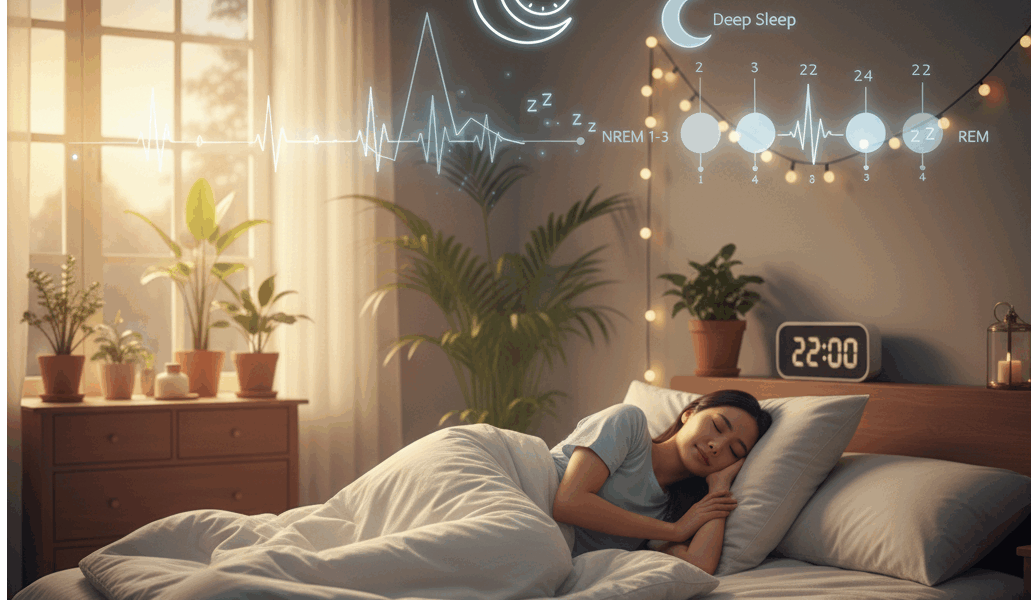
Sleep is divided into multiple stages that repeat in 90–110 minute cycles throughout the night:
🔄 The Four Main Stages:
- N1 (Light Sleep): Transition phase — easily awakened.
- N2 (Deeper Light Sleep): Heart rate slows, body temperature drops.
- N3 (Deep Sleep): Physical restoration and immune repair occur.
- REM (Rapid Eye Movement): Dream stage, crucial for memory and learning.
A healthy night’s sleep includes 4–6 full sleep cycles. Disruptions to these cycles can prevent the body from fully recovering.
3. Importance of a Balanced Sleep Cycle
Proper sleep enhances:
- 🧠 Brain Function: Memory, concentration, creativity, and decision-making.
- ❤️ Heart Health: Regulates blood pressure and inflammation.
- ⚖️ Weight Control: Balances hunger hormones (ghrelin and leptin).
- 🛡️ Immunity: Helps fight off infections and disease.
- 😌 Mental Health: Reduces anxiety, stress, and risk of depression.
Chronic sleep deprivation is linked to:
- Diabetes
- Cardiovascular diseases
- Hormonal imbalances
- Weakened immunity
- Burnout and fatigue
4. Causes of Poor Sleep and Sleep Disorders
Understanding the root cause is key to managing sleep issues. Common causes include:
🧠 Psychological Factors
- Stress and anxiety
- Depression
- Overthinking at bedtime
📱 Lifestyle Habits
- Excessive screen time before bed
- Irregular sleep schedule
- Caffeine, alcohol, or heavy meals late in the evening
🩺 Medical Conditions
- Sleep apnea (breathing interruptions)
- Insomnia (difficulty falling or staying asleep)
- Restless leg syndrome
- Chronic pain or medication side effects
5. Healthy Sleep Habits for Better Sleep (Sleep Hygiene)
Here are daily practices to build a strong sleep routine:
🌙 Bedtime Routine
- Go to bed and wake up at the same time every day, even on weekends.
- Establish a wind-down routine (e.g., reading, stretching, meditation).
- Avoid screens (phones, TVs) 1 hour before bed.
🛌 Sleep Environment
- Keep your bedroom cool, dark, and quiet.
- Use blackout curtains, white noise machines, or earplugs.
- Invest in a comfortable mattress and pillow.
☀️ Daytime Habits
- Get natural sunlight exposure during the day.
- Avoid long naps (limit to 20–30 minutes).
- Exercise regularly, but avoid intense workouts close to bedtime.
🚫 What to Avoid
- Caffeine after mid-afternoon
- Heavy or spicy meals late at night
- Alcohol or nicotine before bed