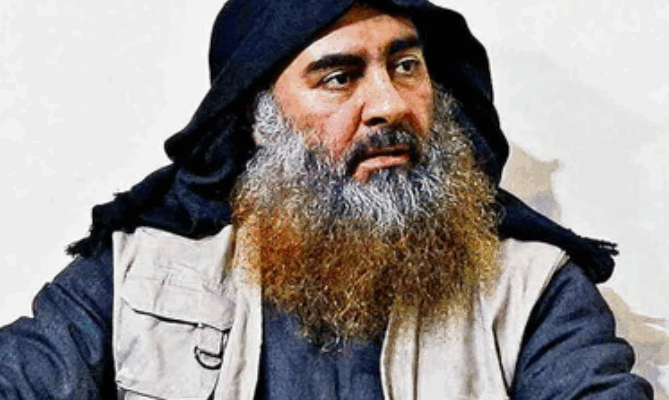

Abu Bakr al-Baghdadi, the leader of the extremist group ISIS, was one of the world’s most wanted terrorists for many years. He was responsible for orchestrating attacks across the Middle East and inspiring acts of terrorism worldwide. The hunt for him became a high priority for the United States and its allies after ISIS captured large areas in Iraq and Syria and declared a so-called “caliphate.”
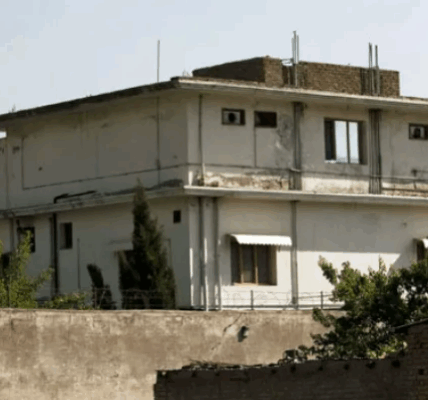
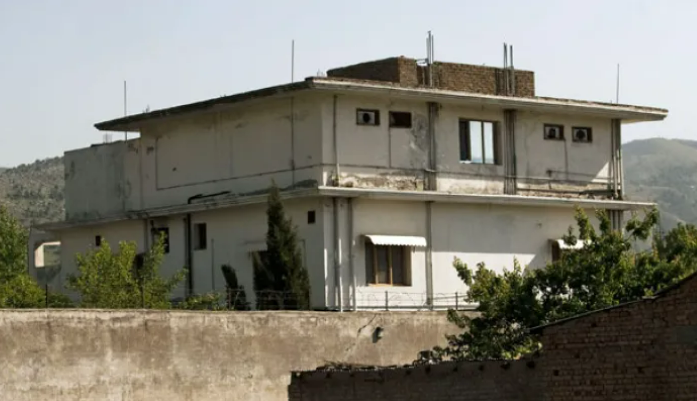
Al-Baghdadi was known for being extremely secretive. He avoided public appearances, moved frequently, and used disguises to hide his identity. For years, intelligence agencies tracked his movements using a combination of human intelligence, electronic surveillance, and cooperation with local informants. Despite these efforts, finding him proved extremely difficult due to the remote locations and the careful security measures around him. In October 2019, U.S. intelligence confirmed that al-Baghdadi was hiding in a compound in the Idlib province of northwest Syria. Acting on this information, U.S. Special Forces planned a complex, high-risk nighttime raid. The operation involved helicopters and special units trained for covert missions. The planning required months of careful coordination to minimize risks to the forces involved and to prevent leaks that could alert al-Baghdadi or his supporters.
During the raid, U.S. troops stormed the compound. Al-Baghdadi attempted to flee through a tunnel, but in a final act, he detonated an explosive vest, killing himself. Several of his family members were also killed in the explosion. Fortunately, no U.S. personnel lost their lives during the operation.
The death of Abu Bakr al-Baghdadi was considered a significant achievement in the fight against ISIS. It disrupted the leadership of the extremist group and sent a strong message about global counterterrorism efforts. However, experts have warned that while the loss of its leader was a blow, ISIS could continue under new leadership, and intelligence agencies must remain vigilant.
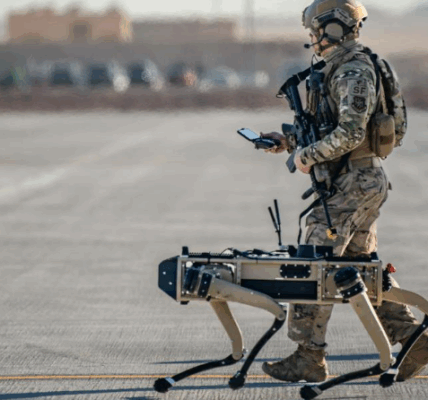
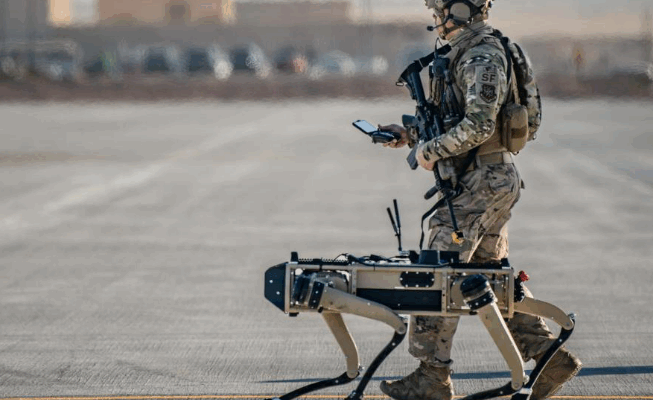
This operation demonstrated the capabilities of modern intelligence and special forces. It highlighted the importance of international cooperation, precise planning, and the use of advanced technology in counterterrorism missions. It remains one of the most high-profile examples of how intelligence and military forces work together to capture or eliminate high-value targets while minimizing risks to civilians and operatives.